

Best time to go to Northern Iran (Caspian Sea)
Find the best time to travel to Northern Iran (Caspian Sea) using month-by-month climate and weather. Also compare tourist crowding by season. Also explore the region's main cities to find best time to go to Iran. Identify the activities to prioritize by month.
Find your best time to Northern Iran (Caspian Sea)
When and where to go to Northern Iran (Caspian Sea): month by month
Find month by month the best time to go to Northern Iran (Caspian Sea) according to weather, temperatures, precipitation and travel conditions.
Climate of Northern Iran (Caspian Sea)
Explore monthly temperatures and rainfall city by city in Northern Iran (Caspian Sea) with our detailed climate charts.
Weather charts: temperatures and precipitation in Northern Iran (Caspian Sea)
Climate averages in Gorgan
Temperatures
Precipitation
Main cities of Northern Iran (Caspian Sea)
Compare the main towns in the region to choose your base according to the weather, climate and the best time to travel.
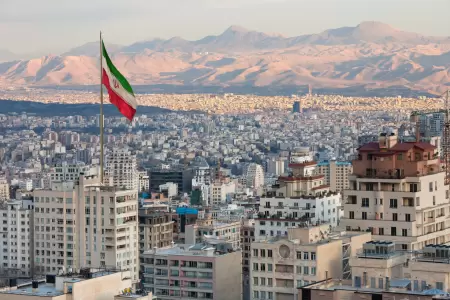
Gorgan
Rasht
Ramsar
Mount Damavand
Golestan National Park
Badab-e Surt
Masouleh
Astara
Amol
Best time to go to Northern Iran (Caspian Sea) according to your preferences
Identify the most favorable months for each travel desire to Northern Iran (Caspian Sea) and the activities you wish to do there.
Crowd levels and tourist seasons
Compare the busiest periods and the quieter months to plan your trip to Northern Iran (Caspian Sea) according to the atmosphere you seek.
How do visitor numbers change in Northern Iran (Caspian Sea)?
Visitor numbers in Northern Iran (Caspian Sea) vary significantly depending on the time of year. The choice of month can therefore really change the atmosphere of the trip: livelier in high season, more relaxed and quieter in low season.
The high season is concentrated mainly in April, May, June, July, August, September, October and December, with more visitors, a livelier atmosphere and often increased demand for accommodations.
To travel with fewer crowds, the months of January, February, March and November are generally the most interesting in terms of crowds.
Visitor index month by month
Other regions of Iran
Find our information on the climate and the best times for the other regions of Iran.
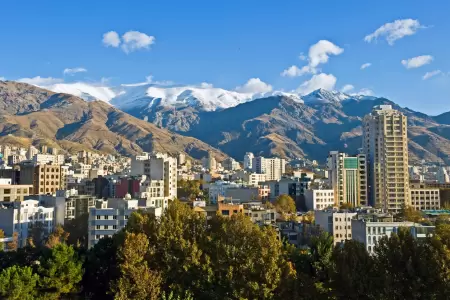
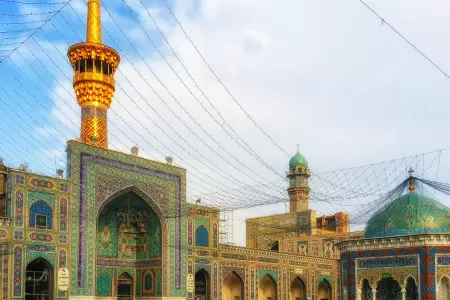
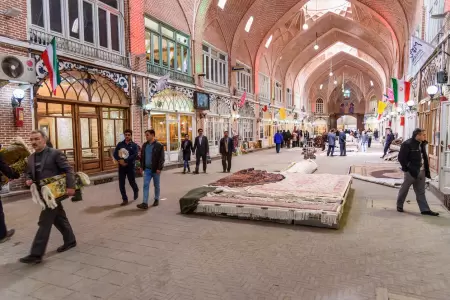
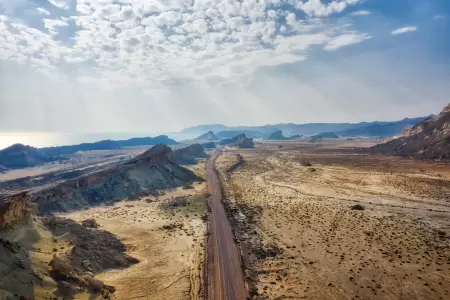
Best time to go to the Persian Gulf Region of Iran
Best time to go to Northern Iran (Caspian Sea): Frequently asked questions
Short answers to the questions we most often ask ourselves before booking.
Compare prices for your trip
Quickly find the useful comparison tools to prepare your trip to Northern Iran (Caspian Sea).
Compare plane tickets for this destination
Find accommodation suitable for your dates.
Compare on-site rental offers